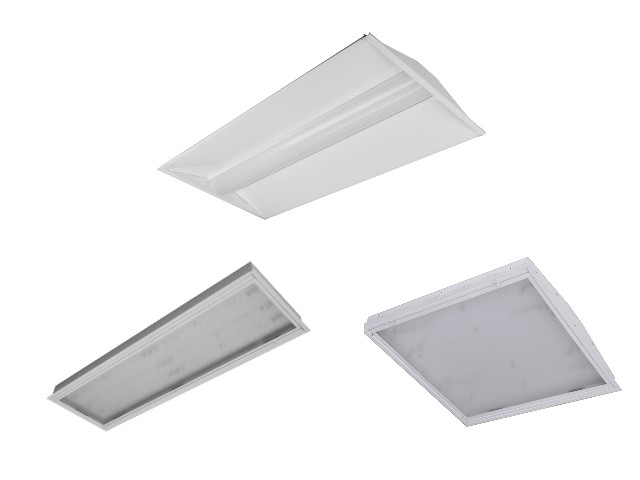
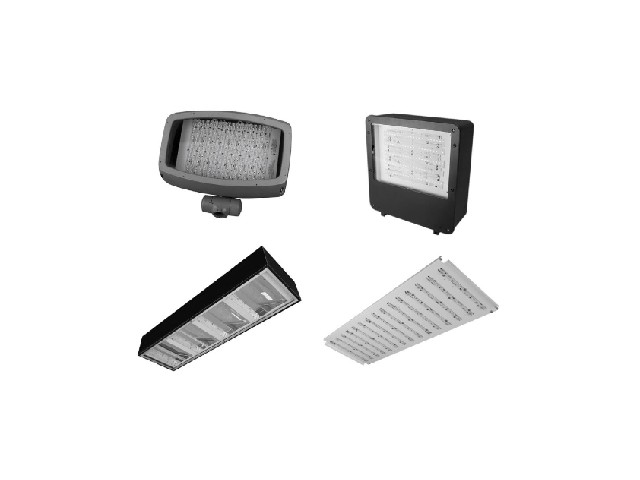
For commercial and industrial LED lighting buyers, certifications matter. They determine whether a fixture is legal to install under your local electrical code, eligible for utility rebates, acceptable for government and federally-funded projects, and covered under the manufacturer’s warranty. Among the certification marks you’ll see on commercial LED fixtures, CSA is one of the most common. This guide explains what CSA certification is, why it matters when selecting LED light fixtures, how it compares to UL and ETL, and what role it plays alongside DLC, ENERGY STAR, BAA, and BABA certifications that also appear on commercial lighting specifications.
CSA (Canadian Standards Association) is a Nationally Recognized Testing Laboratory that certifies products meet specific electrical safety standards. A CSA-listed LED fixture has been tested to Canadian and U.S. standards for electrical safety, fire resistance, and performance. CSA certification is functionally equivalent to UL and ETL listings for U.S. commercial installations, meeting the requirements of the National Electrical Code and most state and municipal building codes. All 1st Source Lighting manufactured LED fixtures are CSA listed, alongside other certifications required for commercial, industrial, and government projects.
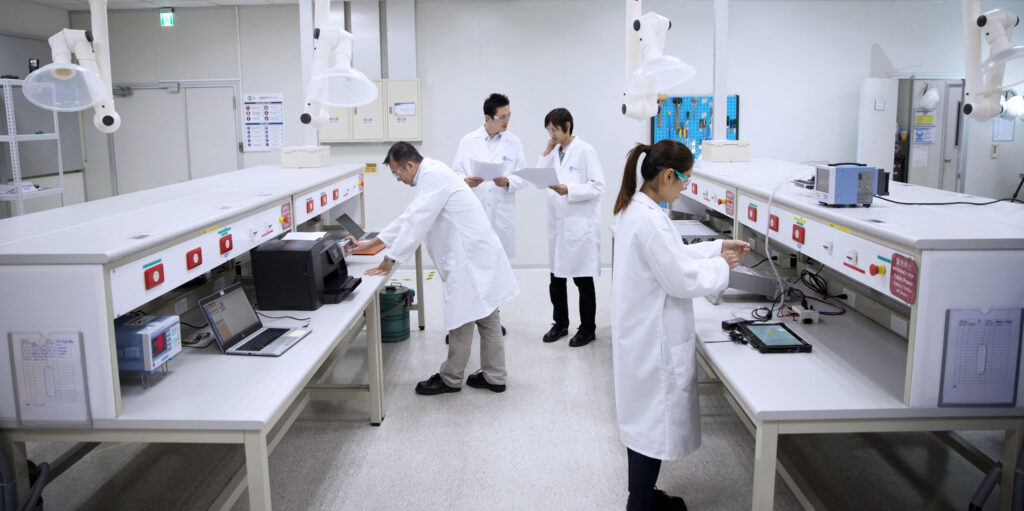
CSA (Canadian Standards Association, now operating as CSA Group) is a not-for-profit standards organization founded in 1919 that develops safety and performance standards and certifies products through its testing services. CSA is a Nationally Recognized Testing Laboratory (NRTL) accredited by the U.S. Occupational Safety and Health Administration (OSHA), which means CSA-certified products are accepted for electrical safety compliance across the United States as well as Canada.
When a product carries the CSA mark, it has passed specific testing to verify that it meets the applicable safety and performance standards. For LED lighting, this typically means compliance with UL 1598 (Luminaires), UL 8750 (Light-Emitting Diode Light Sources for use in Lighting Products), and related Canadian and American National Standards for electrical safety.
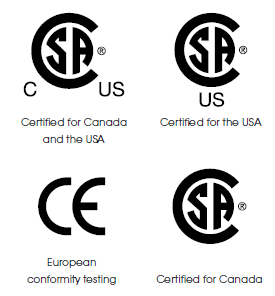
The CSA mark actually appears in multiple forms, and the specific variation indicates where the product is certified for use.
| Mark | Meaning | Use in Commercial Projects |
|---|---|---|
| CSA | Certified and tested for use in Canada | Canadian commercial and industrial applications |
| CSAus (or c-us inside the CSA logo) | Certified and tested for use in the United States | U.S. commercial and industrial applications |
| cCSAus (or c-us on both sides of the logo) | Certified for use in both Canada and the United States | Commercial and industrial applications in either country |
For U.S. facility managers and specifiers, the CSAus and cCSAus marks are what matter. These indicate the fixture has been tested to American National Standards and is accepted as equivalent to UL Listed under OSHA regulations. Your local electrical inspector (the Authority Having Jurisdiction, or AHJ) will accept CSAus-marked fixtures just as they accept UL Listed fixtures.
CSA certification affects multiple aspects of a commercial lighting project, from code compliance to insurance to warranty coverage. Here’s why specifiers and facility managers verify CSA (or equivalent) certification before ordering fixtures.
The National Electrical Code (NEC), adopted as law in virtually every U.S. state and municipality, requires that electrical products be tested and listed by a Nationally Recognized Testing Laboratory. CSA, UL, and ETL are all NRTLs, and products certified by any of them satisfy NEC requirements. Installing uncertified fixtures typically fails inspection, delays project occupancy, and can trigger costly rework.
CSA testing verifies that fixtures won’t present unreasonable fire, electric shock, or mechanical hazards under normal operating conditions and foreseeable misuse. For commercial facilities housing employees, customers, and expensive equipment, this reduces liability exposure and insurance complications. Insurance carriers often specifically require NRTL-listed electrical products as a condition of coverage.
Beyond safety, CSA testing evaluates that fixtures perform according to their published specifications. A fixture rated for a certain temperature range, voltage, or environmental exposure has been tested to confirm it actually meets those claims. This matters commercially because specifications drive procurement decisions on multi-fixture projects. Certified fixtures deliver what their spec sheets promise.
Many LED manufacturers structure their warranties to cover only certified installations. Using a fixture outside its certified parameters (wet-listed fixture in a dry location is fine; dry-listed fixture in a wet location is not) can void warranty coverage. Specifying CSA-certified fixtures appropriate to the installation environment protects warranty rights across the expected 50,000 to 100,000 hour service life of the fixture.
Most commercial utility rebate programs require that qualifying fixtures carry CSA, UL, or ETL certification in addition to DLC qualification. Non-listed fixtures generally don’t qualify for rebates regardless of their efficiency performance, which can cost a project 30-50% of its potential rebate value.
Federal, military, and federally-funded projects typically require NRTL certification alongside BAA (Buy American Act) or BABA (Build America, Buy America) domestic content compliance. Specifying CSA-certified fixtures from U.S. manufacturers meets both requirements simultaneously.
To earn CSA certification, a product passes through a multi-stage process that verifies compliance with applicable safety and performance standards.
Testing: CSA engineers subject fixtures to a battery of electrical, mechanical, and environmental tests at CSA laboratories. For LED fixtures, testing typically includes electrical safety at rated voltage and current, insulation resistance, ground fault protection, temperature rise under normal operation, endurance under continuous operation, and mechanical durability of housing and mounting components.
Evaluation: Test results are evaluated against the applicable standards, which for LED luminaires include UL 1598 (general luminaire requirements), UL 8750 (LED-specific requirements), and relevant Canadian standards. Fixtures intended for specific environments (damp locations, wet locations, cold temperatures, hazardous locations) undergo additional testing against the relevant supplementary standards.
Certification: If the fixture passes all applicable tests and evaluations, CSA issues certification. The manufacturer can then mark the fixture with the CSA certification symbol, and the fixture is listed in CSA’s certified products database.
Ongoing Surveillance: CSA certification includes periodic manufacturing facility audits to verify that production fixtures continue to match the certified test samples. This prevents manufacturers from testing a premium fixture, earning certification, and then quietly shifting production to lower-quality components.
One of the most common questions from commercial specifiers: which certification mark should I look for, CSA or UL or ETL? For U.S. commercial and industrial installations, the practical answer is that all three are equivalent. All three are Nationally Recognized Testing Laboratories accredited by OSHA. All three test products to the same UL standards (or equivalent ANSI standards). Any of them satisfies NEC requirements and local building code.
| Certification | Organization | U.S. Acceptance | Canadian Acceptance |
|---|---|---|---|
| UL Listed | Underwriters Laboratories | Yes | Only UL-C Listed or cULus |
| ETL Listed | Intertek (formerly Electrical Testing Laboratories) | Yes | Only cETL |
| CSA | CSA Group (Canadian Standards Association) | Only CSAus or cCSAus | Yes |
The main practical difference is geographic origin. CSA is headquartered in Canada and started by certifying products for Canadian use, expanding into U.S. certification later. UL is U.S.-based. ETL (now Intertek) operates globally. For North American commercial projects, any of these certifications works, and the specific mark on a fixture simply reflects which laboratory the manufacturer chose to use.
For Canadian and cross-border projects, CSA has historical advantages in Canadian market recognition, though products with the cCSAus or cULus marks are equally acceptable on both sides of the border.
One source of confusion for commercial specifiers: CSA, ENERGY STAR, DLC, and BAA/BABA are often mentioned together but they certify different things. Understanding what each one actually covers helps you specify appropriate fixtures without over- or under-certifying.
| Certification | What It Covers | Required For |
|---|---|---|
| CSA (or UL, ETL) | Electrical safety and basic performance | NEC compliance, electrical inspection, insurance |
| DLC (DesignLights Consortium) | Energy efficiency, color quality, lifespan | Commercial utility rebate qualification |
| ENERGY STAR | Energy efficiency, quality, warranty | Tax credits, LEED points, some residential rebates |
| BAA / BABA | Domestic manufacturing and content | Federal, military, and federally-funded projects |
| TAA | Manufacturing from designated trade partners | Federal projects as BAA alternative |
| RoHS | Restriction of hazardous substances | Global commerce, European markets |
A well-specified commercial LED fixture for a government project might carry all of these: CSA listed (electrical safety), DLC Premium (rebate eligibility), ENERGY STAR certified (tax credit eligibility), BAA/BABA compliant (federal project eligibility), and RoHS compliant (global environmental regulations). Each certification serves a different purpose and qualifies the fixture for a different aspect of commercial use.
Our commercial lighting glossary covers these certifications and dozens of other technical terms in detail, providing a reference for evaluating fixture specifications.
Beyond basic electrical safety certification, CSA issues specialty certifications for fixtures intended for specific environments and applications.
Fixtures rated for outdoor installations, parking garages, washdown environments, and similar applications undergo additional testing to verify they handle moisture exposure appropriately. CSA damp-location and wet-location ratings are functionally equivalent to the UL dry/damp/wet classifications.
Fixtures intended for freezer and cold storage applications undergo testing at sub-zero temperatures to verify reliable startup and operation. For cold storage LED lighting, this certification aspect is particularly important because standard commercial fixtures typically aren’t rated below 0°F, while cold storage facilities routinely operate at -20°F to -40°F.
For facilities handling flammable gases, vapors, or combustible dusts (oil and gas, chemical processing, grain handling, pharmaceutical manufacturing), fixtures require hazardous location certification under Class I or Class II specifications. These fixtures undergo additional testing to verify they cannot ignite surrounding atmospheres under normal or foreseeable fault conditions.
Fixtures for food processing, cold storage, and restaurant kitchens may require additional certifications beyond CSA listing, including NSF compliance for direct or indirect food contact. Commercial buyers in food-related industries should verify both CSA listing and any industry-specific certifications required by their facility type.
All 1st Source Lighting manufactured LED fixtures are CSA listed, alongside additional certifications required for specific markets and applications. Our certification portfolio includes:
For commercial specifiers working on government projects, university installations, or federal facilities, this combined certification profile streamlines the procurement process. You don’t have to verify each certification separately or work with multiple vendors to cover different certification requirements.
CSA listing is one of several certifications that commercial LED projects should verify during fixture specification. For the complete certification checklist alongside fixture selection, footcandle specification, and other commercial LED decisions, see our commercial LED lighting specification guide.
CSA (Canadian Standards Association, now CSA Group) is a Nationally Recognized Testing Laboratory that certifies electrical products to Canadian and U.S. safety standards. A CSA-certified LED light fixture has been tested to verify it meets applicable safety and performance requirements, including standards like UL 1598 and UL 8750 for LED luminaires. CSA certification satisfies U.S. National Electrical Code requirements and is accepted by electrical inspectors across both the U.S. and Canada.
The CSA mark indicates that the LED fixture has been tested and certified to applicable electrical safety and performance standards. Different CSA marks indicate different geographic certification scope: “CSA” alone means certified for Canada, “CSAus” means certified for U.S. use, and “cCSAus” means certified for use in both Canada and the United States. All three forms indicate the fixture meets the electrical safety standards required for commercial and industrial installation.
For U.S. commercial installations, CSA (specifically CSAus or cCSAus), UL Listed, and ETL Listed certifications are functionally equivalent. All three are Nationally Recognized Testing Laboratories accredited by OSHA. All three test products to the same or equivalent safety standards. Any of them satisfies National Electrical Code requirements and local building code. The specific mark on a fixture just indicates which laboratory performed the testing, not differences in safety standards or product quality.
CSA-approved lights work in the United States as long as they carry the CSAus or cCSAus mark (not just the basic CSA mark, which indicates Canadian certification only). CSAus and cCSAus indicate the fixture has been tested to American National Standards and is accepted for U.S. electrical code compliance. If you’re verifying CSA certification for a U.S. project, look for the US designation in the CSA mark.
CSA certification matters for several reasons. It confirms electrical safety and performance, which is required for National Electrical Code compliance and inspection approval. It supports insurance coverage, which typically requires NRTL-listed electrical products. It protects warranty validity, since manufacturers generally cover only certified installations used within their certified parameters. It qualifies fixtures for utility rebates alongside DLC certification. And it meets the certification requirements for government, military, and federally-funded projects.
CSA maintains a searchable database of certified products on their website. You can enter a manufacturer name or file number to verify certification status. For commercial projects, spec sheets should list the CSA file number along with the certification type (CSAus, cCSAus). If a spec sheet claims CSA listing without a file number or only shows a logo without clear verification information, that’s a flag worth investigating before committing to a large order.
CSA certification alone doesn’t qualify fixtures for commercial utility rebates. Most rebate programs require DLC (DesignLights Consortium) certification in addition to NRTL listing (CSA, UL, or ETL). The combination of CSA listing (for electrical safety) plus DLC listing (for energy efficiency and quality) is what typically qualifies a commercial fixture for rebate programs. Our lighting control systems guide covers rebate considerations in more detail.
Yes. All 1st Source Lighting manufactured LED fixtures are CSA listed. Our fixtures also carry BAA, BABA, and TAA certifications for government and federally-funded projects, DLC listing for utility rebate qualification where applicable, and RoHS compliance for global environmental standards. This combined certification profile supports commercial, industrial, government, and educational projects without requiring separate vendor relationships for different certification requirements.
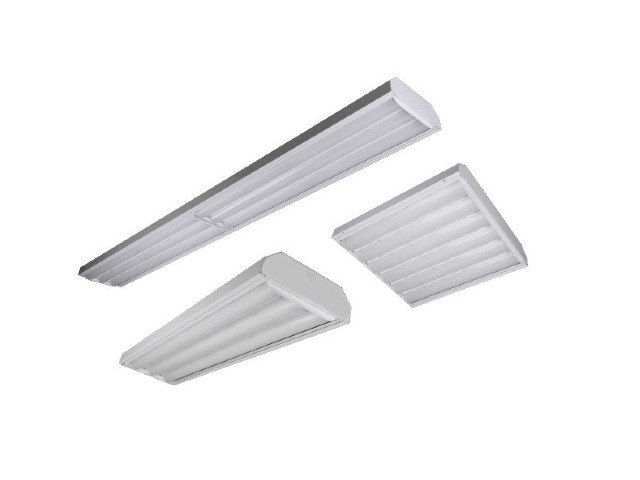
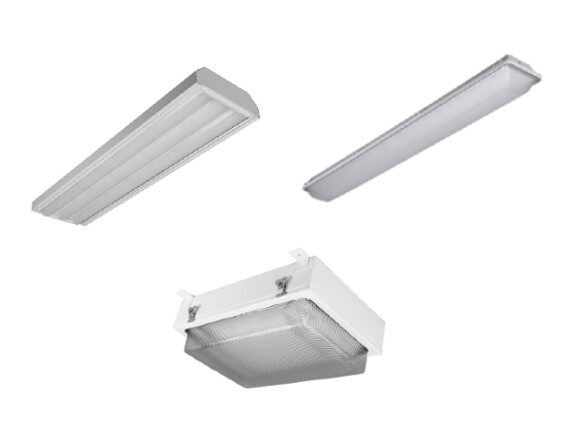
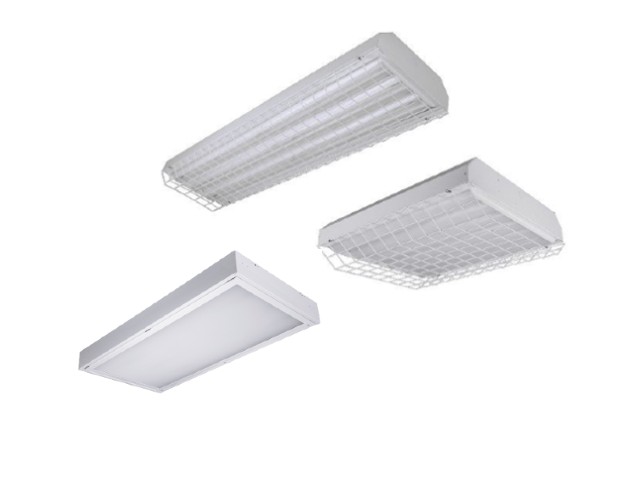
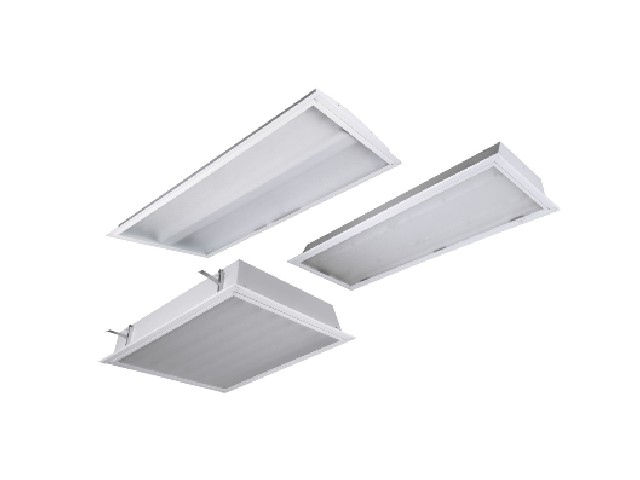
Every fixture 1st Source Lighting manufactures carries CSA certification along with additional certifications appropriate to its application. Explore some of our most popular CSA-listed product categories:
1st Source Lighting has been manufacturing commercial and industrial LED fixtures in the United States since 1993. Every fixture we manufacture is CSA listed and meets or exceeds the certification requirements for commercial, industrial, government, and educational installations. Our engineering team provides free photometric layouts for every project and can help specify fixtures with the right combination of certifications for your specific application.